
Melbourne Nursing Home Abuse Attorney
A Melbourne nursing home abuse attorney helps families when their loved ones are harmed. When a resident suffers nursing home abuse or neglect, we step in and fight on their behalf, holding negligent facilities responsible for failing to provide the standard of care Florida law requires. Whether through physical abuse, medication errors, untreated bed sores, preventable falls, or sexual abuse, our nursing home abuse lawyers in Melbourne, FL, are here to help seek justice and compensation under Florida’s Nursing Home Residents’ Bill of Rights.
Platt Cole Russell & Simpson provides legal representation for nursing home abuse claims throughout Brevard County, from Melbourne and Palm Bay to Titusville, Merritt Island, and Viera. We handle cases on a contingency basis, so family members don’t pay anything unless we recover compensation.
If you suspect nursing home abuse and neglect, you need to take quick action. Pressure ulcers, malnutrition, and infections are often progressive, and facilities may alter records or reassign staff members before families realize the full extent of the harm.
Contact us for a free consultation: 321-725-3425.
Florida Nursing Home Abuse and Neglect: Legal Definition & Qualifications
Florida law treats nursing home abuse and neglect as two different types of legal claims, though they often appear in the same case.
- Nursing home abuse is intentional conduct.
- Nursing home neglect is the failure to provide adequate care that a reasonable caregiver would provide.
Abuse requires a wrongful act; neglect requires a wrongful omission.
Florida law allows residents to sue for nursing home abuse under Fla. Stat. § 400.023. Violating the Resident’s Bill of Rights is evidence of negligence, not automatic liability.
To recover compensation, Melbourne nursing home abuse attorneys must establish that the nursing home breached its duty of care, the breach caused harm, and real damages resulted.
Nursing home negligence differs from standard personal injury cases. It follows Chapter 400’s pre-suit process, statute of limitations, and proof requirements, which is why nursing home abuse cases require an attorney experienced in long-term care litigation. Compensation may include medical expenses and pain and suffering. It can also cover the cost of corrective care and, in egregious cases, punitive damages.
Nursing Home Abuse: Physical, Sexual, Financial & Emotional Abuse Cases
One in 13 nursing home residents experiences abuse, according to NCEA. Nursing home abuse is intentional conduct that causes a resident physical, sexual, financial, or emotional harm.
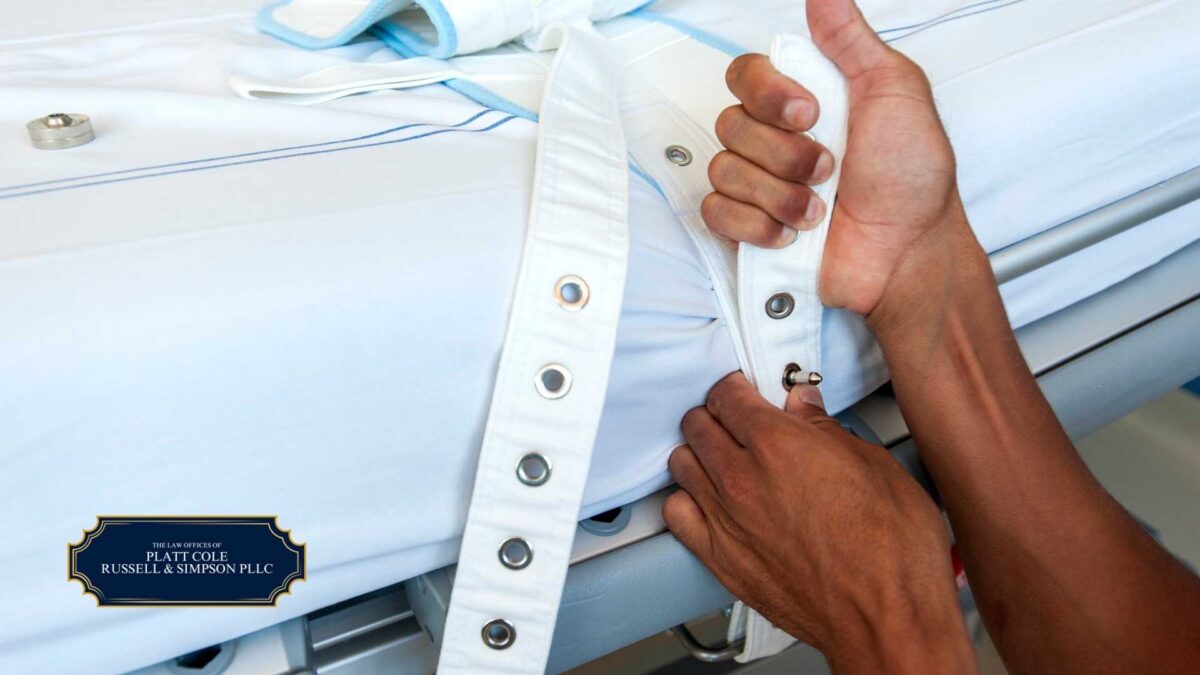
- Physical abuse includes hitting, slapping, or biting residents, as well as improper use of physical or chemical restraints.
- Sexual abuse includes any non-consensual sexual contact with residents. Elderly residents are often unable to consent due to cognitive decline and are unable to report it.
- Emotional abuse involves intimidation, verbal threats, and humiliation. In many cases, emotional abuse can cause residents to become withdrawn or anxious. This is the hardest form of elder abuse to detect because, unlike physical abuse, it leaves no visible injuries but can still be just as damaging.
- Financial abuse includes unauthorized access to a resident’s finances. This can include using a resident’s money, credit cards, property, or assets; forged checks; or changes to a power of attorney or will made under coercion.
Nursing Home Neglect: Failure to Provide Proper Care & Supervision
Nursing home neglect involves failing to meet basic needs like food and hygiene. It also includes parties that don’t provide adequate medical care.
Common forms of nursing home neglect include failure to
- provide the correct food consistency or meet diabetic requirements
- provide enough hydration
- assist with basic hygiene needs, like using the bathroom and bathing
- administer medications correctly
- reposition immobile residents, often leading to bedsores
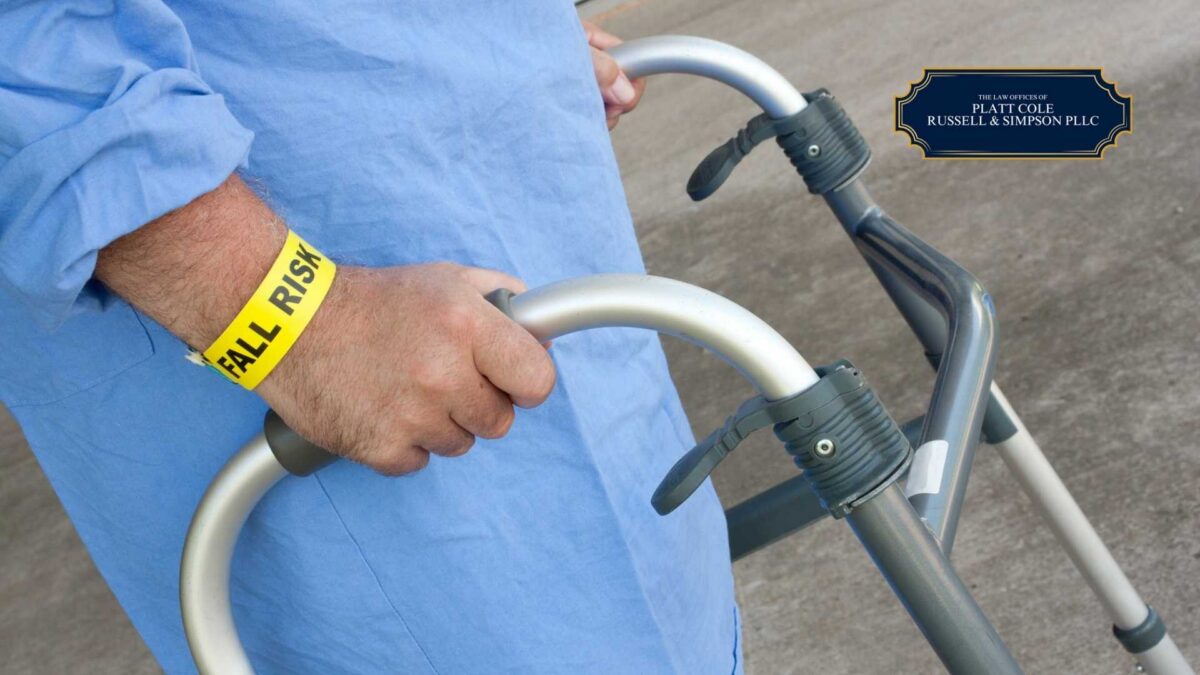
- supervise residents at known risk of falling or wandering
Almost all nursing home neglect cases are a result of understaffing. This is a corporate issue rather than the result of a single nursing home staff member, which is why these cases often expose systemic negligence, with multiple facility failures affecting countless residents.
When medical staff, like a doctor or nurse, not the daily nursing home staff, cause harm, family members may instead pursue compensation through medical malpractice claims in Melbourne, FL.

Common Resident Injuries in Brevard County Nursing Home Facilities
Certain personal injuries appear repeatedly in nursing home abuse cases, not because they’re unavoidable, but because each traces to issues that Florida statutes specifically outline to prevent.
Nursing Home Bedsores/Pressure Ulcers: Stage III/IV – Sepsis Risk
The CDC treats advanced bedsore stages as largely preventable. A Stage III or Stage IV bedsore on a nursing home resident is rarely an accident. It’s evidence that caregivers didn’t turn the patient every few hours, in most cases. Untreated pressure sores expose bone, become infected, and progress to sepsis or osteomyelitis. When a victim endures this much pain, our Brevard County nursing home bed sore lawyers fight to ensure they get every dime they’re owed.
Fall Injuries: Hip Fractures, Head Injuries, & Inadequate Fall-Risk Assessments
Under Florida’s AHCA rules, caregivers must assess every nursing home resident’s fall risk and develop a service plan, typically within 24 hours of admission. If a nursing home resident falls or suffers a change in their mental or physical condition, they must update the assessment promptly.
When an elderly person with a fall history fractures a hip, suffers head trauma, or dies after falling, our Melbourne nursing home abuse lawyers’ central question is whether caregivers identified the risk and implemented the services its own care plan required: bed alarms, low beds, scheduled toileting, supervised ambulation. A nursing home resident’s fall isn’t cause for legal action. A fall from a person already flagged as high-risk is typically evidence of nursing home abuse and neglect.
Malnutrition, Dehydration, & Diabetic Care Negligence
Unintended weight loss, sunken eyes, dry mucous membranes, and elevated sodium or BUN levels are clinical indicators of nursing home negligence at the most basic level. For nursing home residents with diabetes, the same applies: missed blood-sugar checks, missed insulin doses, and hypoglycemic events that lead to falls, seizures, or hospitalization. These cases often reveal corporate-wide patterns once records and meal documentation are subpoenaed.
Medication Errors & Chemical Restraint
Wrong drug, wrong dose, missed doses, and dangerous drug interactions are the four most common medication errors in nursing homes.
A separate and serious type of nursing home abuse is chemical restraint, the off-label use of antipsychotics like Risperdal, Haldol, or Seroquel to sedate elderly people with dementia for convenience rather than treatment. Florida law explicitly prohibits restraints, chemical or physical, used for staff convenience or punishment. Sadly, laws exist for a reason, and our Melbourne nursing home abuse attorneys seek punitive damages when these elder abuse cases arise.
Sepsis, UTI, Delirium, MRSA, & Other Nursing Home Infections
Infections are some of the most common types of nursing home abuse and neglect. While it’s normal for elderly people to get infections, the question is whether caregivers caught and gave treatment in time.
Untreated urinary tract infections cause sudden confusion and delirium in elderly nursing home residents and progress quickly to urosepsis. MRSA, C. difficile, and wound infections spread when hand hygiene and isolation protocols slip. Residents arriving at ERs in septic shock from a nursing home-acquired infection have, in most cases, gone days without the treatment basic nursing care requires.
Nursing Home Sexual Abuse & Unexplained Injuries
Bruises in unusual patterns, genital injuries, torn or bloody undergarments, and sudden behavioral changes are warning signs of nursing home sexual abuse. This type of elder abuse is grossly underreported because many nursing home abuse victims cannot communicate what happened.
Unexplained injuries of any kind, including broken bones and burns inconsistent with the employees’ explanation, trigger a duty to investigate and report. When a facility fails to investigate, fails to report, or continues to give accused employees or other residents access to vulnerable people, that conduct itself becomes part of legal claims.
Nursing Home Wrongful Death
When nursing home abuse or neglect causes or contributes to a resident’s death through sepsis, falling, an untreated pressure sore, a prescription error, or negligent transfer, the legal claim shifts from personal injury to wrongful death. Our Melbourne wrongful death attorneys help families pursue compensation for medical bills, lost wages, funeral and burial expenses, and other losses.
Common Signs of Nursing Home Abuse and Neglect in Brevard County
Most nursing home abuse and neglect cases start when a family member notices something’s off. Staff often explain individual incidents away, but trust your gut. Patterns rarely have innocent explanations.
The most common signs of nursing home abuse or neglect include:
- Unexplained injuries, like bruises, cuts, burns, or fractures, especially in patterns suggesting grabbing, hitting, or restraint
- Pressure sores: check your loved one’s tailbone, hips, heels, and shoulder blades
- Rapid weight loss or signs of dehydration like dry lips, sunken eyes, or dark urine
- Soiled clothing, bedding, or briefs, or a persistent smell of urine in the room
- Withdrawal, fearfulness, anxiety, or flinching around specific people
- Recurring infections: UTIs, pneumonia, wound infections that employees can’t seem to get ahead of
- Over-sedation or sudden psychological or behavioral changes consistent with chemical restraint
- Missing personal funds, jewelry, or unexplained changes to financial accounts or estate documents. Financial abuse includes unauthorized access to a resident’s money, and families should be diligent.
- Staff refusing to leave your family alone with your loved one
The National Center on Elder Abuse publishes warning-sign checklists for families between visits. If you’re seeing one or more signs of nursing home abuse or neglect, document evidence with dates, photos, and notes. Contact a Melbourne nursing home abuse lawyer before negligent parties have time to alter records or move staff.
How to Report Nursing Home Abuse in Florida
To report nursing home abuse in Brevard County
- Florida Abuse Hotline: Suspected abuse should be reported immediately to the Florida Abuse Hotline at 1-800-962-2873. Florida operates this confidential elder abuse hotline for reporting. A report can trigger an investigation by the Department of Children and Families.
- Agency for Health Care Administration (AHCA): Reports can be made to the Agency for Health Care Administration. The AHCA licenses and inspects Florida nursing homes. You can also check a facility’s inspection and complaint history through AHCA’s FloridaHealthFinder tool before or after you file.
- Long-Term Care Ombudsman: Contact the Florida Long-Term Care Ombudsman Program, which investigates complaints on behalf of residents at no cost and can enter facilities, review records, and advocate independently of facility management.
You should also contact the police if a crime is suspected.
Federal Medicare Care Compare ratings cover Brevard County nursing homes, including those in Melbourne, Palm Bay, and Titusville, and are a useful tool for comparing inspection scores.
Important: A regulatory complaint to AHCA or the Ombudsman does not replace your right to a civil claim. These agencies can sanction a facility, but only a civil lawsuit seeks damages for your loved one. The deadline to file runs separately from any agency investigation.
Legal Rights and Deadlines for Nursing Home Negligence Claims Under Florida Law
The Residents' Bill of Rights (§ 400.022)
Florida’s Nursing Home Residents’ Bill of Rights outlines resident protections. Residents have the right to live free from abuse and neglect. They also have a legal right to dignity and privacy. A violation of these rights, codified at Fla. Stat. § 400.022, serves as evidence of negligence in a civil claim.
Pre-suit Notice Requirement
Before a lawsuit can be filed, Florida requires a pre-suit process under Fla. Stat. § 400.0233: a 75-day pre-suit period, notice sent by certified mail, the attorney’s good-faith certification after a reasonable investigation, and informal discovery and mediation. The complaint must also be served on AHCA under § 400.023(8). This process takes months, which is exactly why loved ones should consult a nursing home attorney in Melbourne, FL, well before any deadline approaches.
Statute of Limitations
Under Fla. Stat. § 400.0236, nursing home abuse cases must be filed within two years of discovery. The mandatory 75-day pre-suit process means waiting can cost a family its claim. The outer statute of limitations is four years from the incident (up to six where fraud or concealment is involved).
How Our Nursing Home Abuse Lawyers in Melbourne, FL, Build Your Loved One’s Case
Nursing home negotiation and litigation are won or lost on evidence, which is within the potential defendant’s control, and is a reason why loved ones need to move fast.
Our Melbourne nursing home abuse lawyer team acts immediately to preserve the record and identify everyone responsible before the statute of limitations runs.
- Spoliation and preservation letters: We send a formal demand requiring the facility to preserve all medical records, staffing logs, incident reports, and electronic data before anything can be altered or “lost.”
- Securing the complete chart: Attorneys gather critical evidence, including medical records and witness statements, and then compare the resident’s actual care with what the care plan required.
- Retaining expert witnesses: We work with nursing, wound-care, and geriatric experts who can testify that the facility breached the standard of care and caused the harm.
- Identifying every defendant: We trace the licensee, management company, and ownership structure because the entity that runs a facility is often not the one named on the door.
- Tracing staffing records: Understaffing is the root of most neglect, and payroll and scheduling data frequently reveal facility-wide patterns.
Most nursing home abuse cases settle out of court, but facilities settle fairly only when the evidence is locked down and the case is built to go to trial. Our Brevard County personal injury attorneys handle the full Chapter 400 presuit process so families don’t have to navigate it alone.
Helping Victims Who Suffer Abuse in Nursing Homes Across Brevard County
Platt Cole Russell & Simpson represents clients throughout the Space Coast, including Melbourne, West Melbourne, Palm Bay, Titusville, Cocoa, Rockledge, Merritt Island, and Viera. The area is home to roughly 21 skilled-nursing facilities, and abuse and neglect can happen at any of them, regardless of star rating or reputation.
We know the local hospital systems that treat these injuries, including the Health First network, as well as the AHCA inspection process that governs them.
Wherever your loved one lives, from the coastal communities of Satellite Beach and Indialantic to the facilities lining US-1 and Babcock Street, our nursing home abuse lawyers in Melbourne, FL, can help you understand whether what you witnessed crosses the line.
Frequently Asked Questions
How much does it cost to hire a nursing home abuse attorney in Brevard County?
Nothing upfront. Our law firm works on a contingency fee basis, so you pay no attorney’s fees unless we secure settlements or verdicts for clients.
Contingency representation means we advance the costs of investigation and litigation, including expert witness fees and records.
Next step: Schedule a free consultation.
How long do I have to file a nursing home claim in Florida?
Nursing home neglect lawsuits in Florida must be filed within two years of the incident. If the injury wasn’t immediately discovered, Florida’s statute of limitations begins when it should reasonably have been discovered under § 400.0236.
The state also imposes a 75-day pre-suit process before filing, so consult a Brevard County nursing home abuse lawyer quickly. The deadline arrives sooner than most expect.
Next step: Call 321-725-3425 as soon as you suspect harm to protect your deadline.
Can I sue if my parent's facility says the injury was "an accident"?
Yes, a facility calling an injury an “accident” does not make it one, and it does not prevent you from suing. Most serious injuries employees label “accidents,” like falls, broken bones, and pressure sores, are actually the result of preventable failures.
What matters legally is whether the facility met the standard of care, not how it characterizes the event afterward.
Next step: Have a nursing home abuse and neglect attorney review the records before accepting any explanation.
What's the difference between nursing home abuse and neglect?
Nursing home abuse cases involve intentional or forceful acts that harm a patient. It can include hitting, restraining, sexually assaulting, or financially exploiting the elder.
Nursing home neglect is failing to provide adequate care. It can include failing to provide for basic needs, support, or supervision.
Under Florida statutes, a single case can involve both nursing home abuse and neglect.
Can I still file a nursing home abuse lawsuit if my loved one passed away?
Yes, if nursing home abuse or neglect contributed to your loved one’s death, you may take legal action.
Florida’s Wrongful Death Act allows the personal representative of the estate to file a nursing home abuse lawsuit on behalf of the family, such as spouses and children. This provides recovery for medical bills and funeral expenses, along with the emotional trauma and other losses.
Next step: Speak with our nursing home abuse attorneys in Melbourne, FL, to determine your options.
Contact a Melbourne Nursing Home Abuse Lawyer For a Free Consultation
If you believe a loved one has experienced nursing home abuse in Brevard County, don’t wait for someone to explain it away or for proof to disappear. A nursing home abuse lawyer in Melbourne, FL, can review your case, explain your legal rights, and assist you through every step of the legal process. We represent nursing home abuse victims on a contingency basis, so you don’t pay anything unless we secure recovery on your behalf. Call 321-725-3425 or contact us online today for a free case evaluation.Personal Injury Practice
Client Testimonials
Posted on Google
 Patricia HeinlMay 13, 2025
Trustindex verifies that the original source of the review is Google.
Mrs Cole and her legal team made everything very easy. Would suggest this firm to my friends.Posted on Google David ClarkMay 9, 2025We highly recommend this firm. Everyone we met with was knowledgeable kind and caring regarding our needs. We were successful entertaining a fair settlement and are very satisfied with the work that this firm did for us. We thank you all very much!!Posted on Google
 Patty KrebsMay 9, 2025Jack Platt, his assistant Beth and all the staff at this office are wonderful! I have used Mr. Platt several times for different legal issues and couldn't be more pleased with the results. He is professional, extremely knowledgeable and cares about you as a client. If I could give him 10 stars I would!!Posted on Google
 Becky WarnerMay 8, 2025I was very thankful that Mr. Platt was representing me because with his calmness and expertise PLUS an amazing assistant who was ALWAYS available to help me with everything and everyone. I highly recommend Mr. Platt and his staff to anyone needing an attorney, who will get you through your case while keeping you up to date on all the proceedings.Posted on Google
 Koral DavisMay 8, 2025Jack Platt grew up with my father. He has been my attorney for a few cases over the years between 2012 to current. He is an amazing Attorney. He is very professional & great at what he does!Posted on Google
 threethreat ProsMay 8, 2025Needing an attorney is never a happy situation, but I rest easy knowing I have Jack Platt a phone call away. I have used his services 3-5 different times, each time he has been fast, reliable, and amazing. Jack & Beth always getting it done!!!Posted on Google
 Alonzo SteeleMay 8, 2025I was in a terrible accident and jack and his team were wonderful! They guided me through the whole process and made sure I was treated right! Can’t go wrong with Mr Platt and his team!Posted on Google
 BethJanuary 24, 2025Kurt Russell provided exceptional legal representation throughout our entire case, demonstrating a deep understanding of the law and ensuring we had the best possible outcome. Kurt and his legal assistant, Amanda, communicated clearly, consistently, and responsively to our concerns. Our case was very stressful, and they made the situation manageable. On top of this, he is kind and caring. I highly recommend Kurt Russell, he will fight for you. He is your go-to if you are seeking skilled and compassionate legal counsel.Posted on Google
 Darren MorehouseDecember 11, 2024Kurt was amazing and I will always recommend him.